Bulgarians headed to the polls on April 19, 2026, for the eighth parliamentary election in five years, underscoring the country's deep and persistent political crisis. The vote follows mass protests in December that brought down the previous Conservative-led government and thrust the question of Bulgaria's democratic future back onto the European stage.
A nation worn down by instability
According to Al Jazeera English, polling stations opened at 7am local time (0400 GMT) and closed at 1700 GMT. The vote is the latest chapter in a cycle of dysfunction that has gripped the nation of 6.5 million since 2021, during which fragmented parliaments have consistently produced weak governments — none managing to survive more than a year before being brought down by street protests or backroom parliamentary deals.
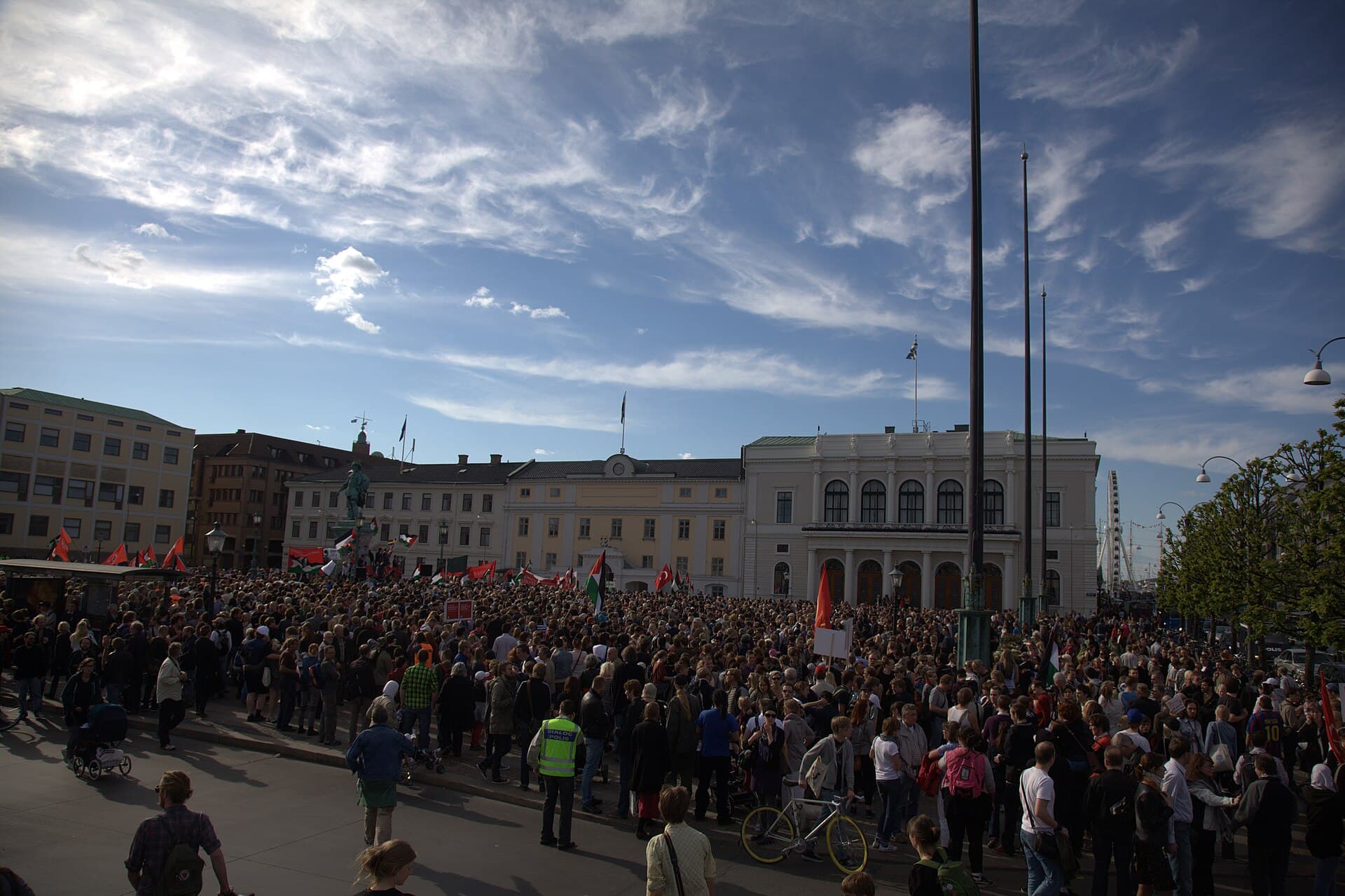
The December collapse was sparked by one of the largest outpourings of public anger in recent Bulgarian history. Hundreds of thousands of mainly young people took to the streets, demanding an independent judiciary capable of tackling the widespread corruption that many Bulgarians say has hollowed out public institutions. Those protests ultimately succeeded in forcing the Conservative-led administration from office, triggering the snap election.
Radev and the prospect of a pro-Russian shift
The election carries significant regional implications. The frontrunner is Rumen Radev, a former air force general who now leads the newly formed centre-left grouping Progressive Bulgaria. Pre-election opinion polls suggested his party could capture around 35 percent of the vote — a result that would mark a substantial shift in Bulgaria's political direction.
Radev has stated his intention to rid Bulgaria of what he describes as its "oligarchic governance model," a message that has resonated strongly with voters fatigued by years of corruption and governmental paralysis. However, his foreign policy positions have drawn scrutiny: he has advocated for renewing ties with Russia and has criticised the sending of military aid to Ukraine.
As Al Jazeera noted, the timing of the Bulgarian vote is notable — coming just days after Hungarian voters rejected the authoritarian policies of Viktor Orbán, who cultivated close ties with Russian President Vladimir Putin. A victory for the pro-Russian Radev would run counter to that regional signal and raise fresh questions about cohesion within the European Union's eastern flank.
What comes next
Even if Progressive Bulgaria performs as strongly as polls suggest, forming a stable government is far from guaranteed. Bulgaria's recent electoral history offers little comfort: every government since 2021 has proven short-lived, undone by the same fragmentation and distrust that sent voters back to the ballot box eight times in five years. Whether Sunday's result breaks that cycle — or merely prolongs it — remains the central question facing the country.