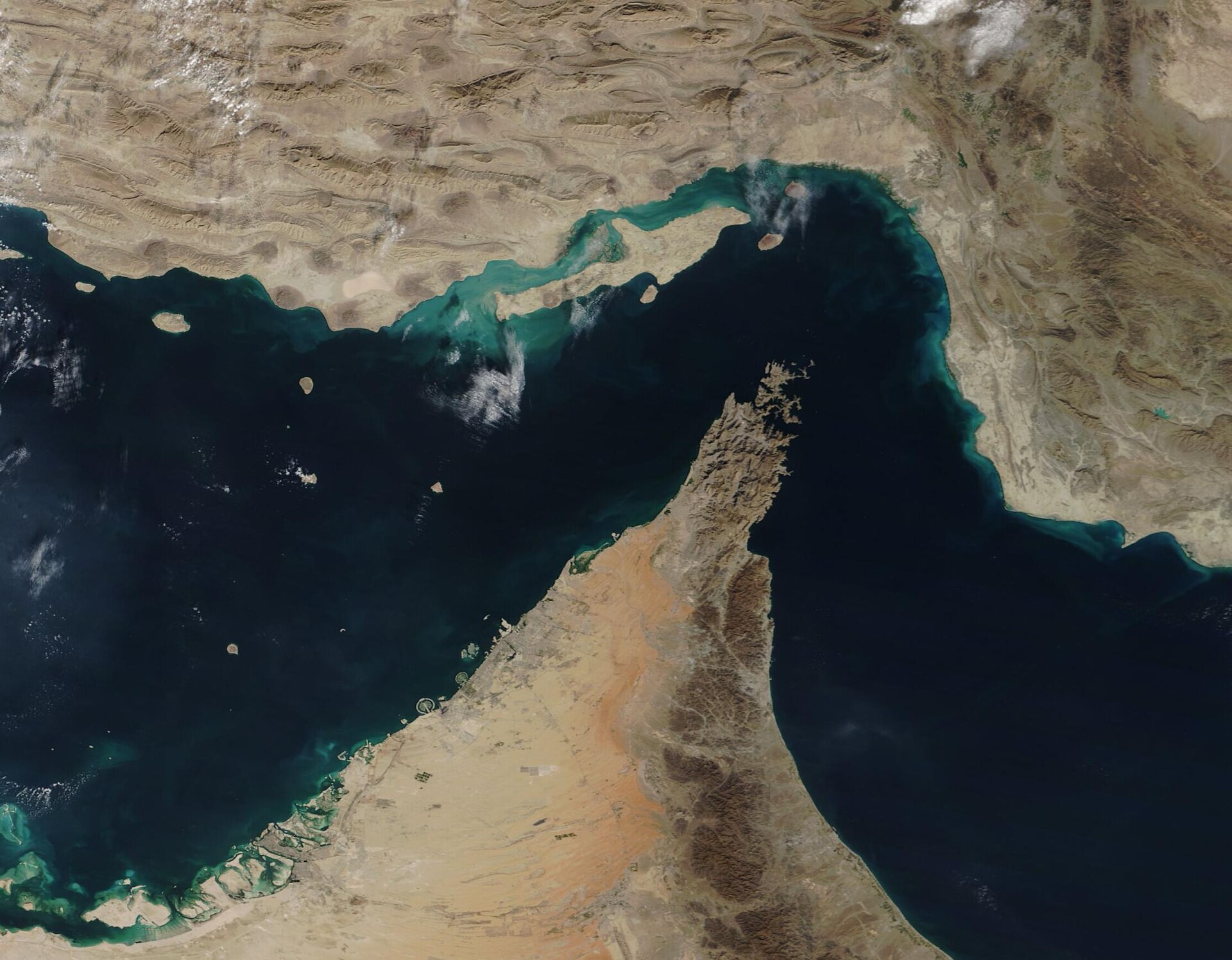
Iran has declared the Strait of Hormuz closed to commercial vessels, citing a continuing United States naval blockade as justification, in a sharp escalation that threatens one of the world's most critical shipping arteries — just days before a fragile ceasefire is due to expire.
Closure and Warnings
The Islamic Revolution Guard Corps (IRGC) issued a stark warning on Saturday, stating that "approaching the Strait of Hormuz will be considered co-operation with the enemy, and the offending vessel will be targeted." In a separate order, the IRGC Navy declared that "no vessel is to move from its anchorage in the Persian Gulf or the Sea of Oman."
The announcement came barely 24 hours after Iran's foreign minister had said the key shipping channel had been temporarily reopened. A number of vessels had passed through the strait under IRGC management since Friday night before the new closure was imposed.
Saturday's warnings were accompanied by action. According to the BBC World News, two Iranian gunboats opened fire on a tanker in the strait, as reported by the UK Maritime Trade Operations (UKMTO). At least two merchant vessels reported being struck by gunfire as they attempted to cross the waterway, and a container ship was hit by what was described as "an unknown projectile" off the north-eastern coast of Oman, damaging several containers.
US and International Reactions
US President Donald Trump pushed back against Tehran's position, saying Iran cannot "blackmail" the United States with threats over the waterway. He added that a naval blockade of Iranian ports would remain in place until a peace agreement was reached between the two countries, while offering a more conciliatory note on negotiations: "We have very good conversations going on. It's working out very well," he said on Saturday.
Washington said it had turned away 23 ships since it began enforcing its blockade on 13 April. Tehran has effectively restricted passage through the strait for nearly two months.
India's foreign ministry summoned the Iranian ambassador in New Delhi, conveying "deep concern at the shooting incident earlier today involving two Indian-flagged ships in the Strait of Hormuz." The incident signals a widening of the diplomatic fallout beyond the two principal parties.
Global and Regional Implications
The stakes are considerable. Approximately 20% of the world's oil and liquefied natural gas (LNG) passes through the Strait of Hormuz, and the price of a barrel of oil has surged above $100 at points during the recent conflict. For Cyprus and other Eastern Mediterranean nations heavily reliant on energy imports and regional shipping lanes, prolonged disruption to the strait poses a direct economic risk, with knock-on effects for fuel costs and freight rates.
A two-week ceasefire between the United States and Iran is currently in effect but is due to expire on 22 April. Whether renewed diplomacy can prevent further closures — or an outright breakdown — remains the central question as that deadline approaches.