Tehran rejected a new round of peace negotiations on Monday and warned of retaliation after the United States seized an Iranian cargo ship, deepening a diplomatic and military standoff just days before a ceasefire deadline.
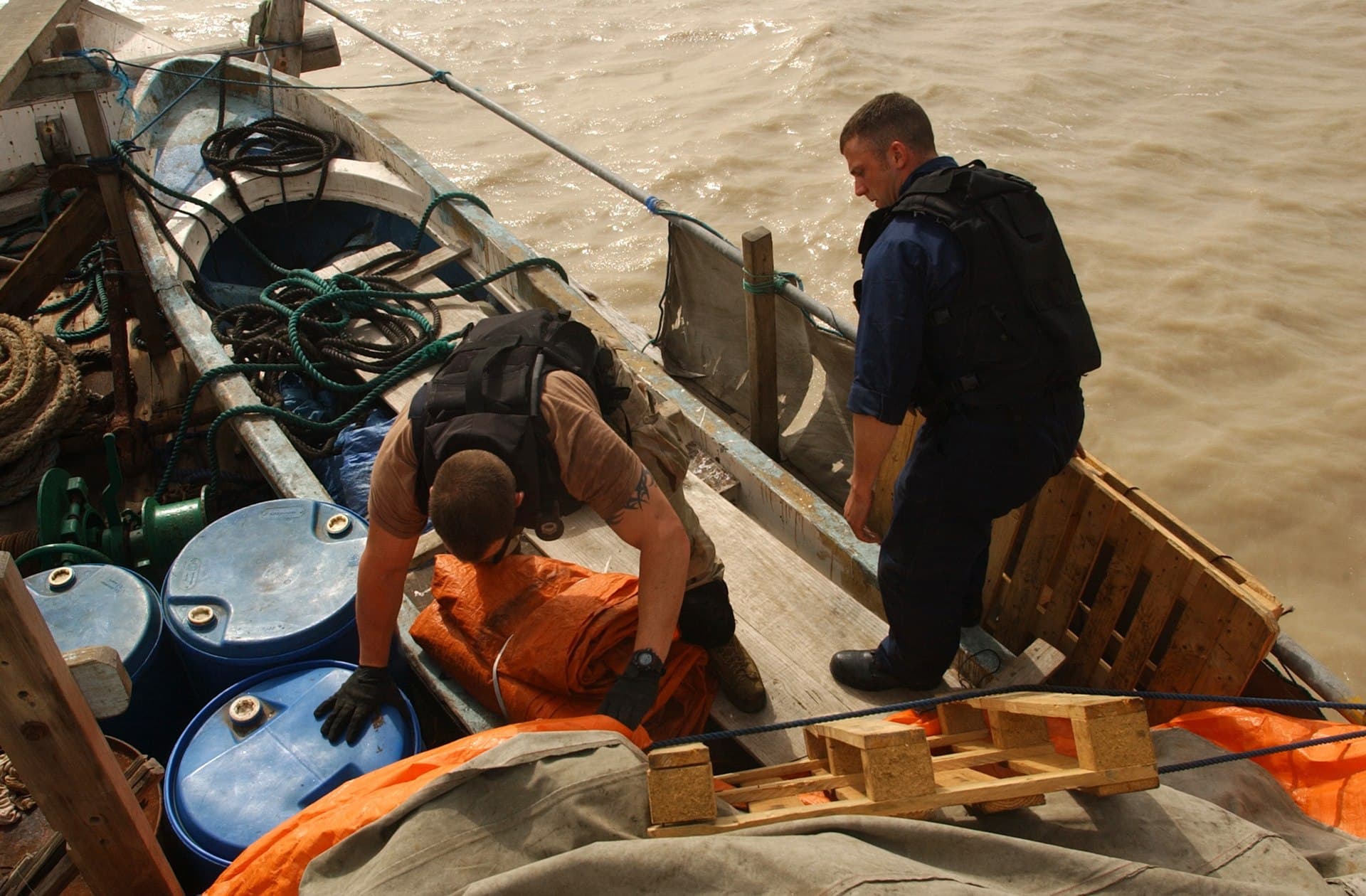
The US military fired on an Iranian-flagged vessel sailing toward Iran's Bandar Abbas port, according to In-Cyprus. Iran's military said the ship had been travelling from China at the time of the incident. President Donald Trump confirmed the action on social media, writing:
"We have full custody of their ship, and are seeing what's on board!"
Iran's military issued a sharp warning in response, vowing to "soon respond and retaliate against this armed piracy." Tehran's decision to halt negotiations came shortly after, throwing preparations for a second round of talks into uncertainty.
Iran warns over oil exports
Iran's First Vice President Mohammadreza Aref framed the standoff in economic terms, posting on social media:
"One cannot restrict Iran's oil exports while expecting free security for others. The choice is clear: either a free oil market for all, or the risk of significant costs for everyone."
The statement drew attention to the strategic significance of the Strait of Hormuz, through which roughly a fifth of the world's oil supply typically passes. Any disruption to shipping in the waterway would carry major consequences for global energy markets.
Washington presses on with Islamabad talks
Despite Tehran's rejection, Washington continued preparations for a second round of negotiations in the Pakistani capital. Trump said his envoys would arrive in Islamabad on Monday evening. Two US C-17 cargo aircraft had already landed at a Pakistani air base on Sunday, carrying security equipment and vehicles. Municipal authorities in Islamabad separately halted public transport and heavy-goods traffic in the city in anticipation of the talks.
Iran's parliament speaker Mohammad Baqer Qalibaf acknowledged that the two sides had made some progress during earlier exchanges, but said they remained far apart on nuclear issues and on the future status of the Strait of Hormuz.
European concern over pace of diplomacy
European allies have expressed concern that Washington is pushing for an agreement too quickly, warning that a hasty deal could leave complex technical issues unresolved. The caution from European capitals adds a further layer of diplomatic pressure as both sides navigate an increasingly volatile standoff ahead of the ceasefire expiry.