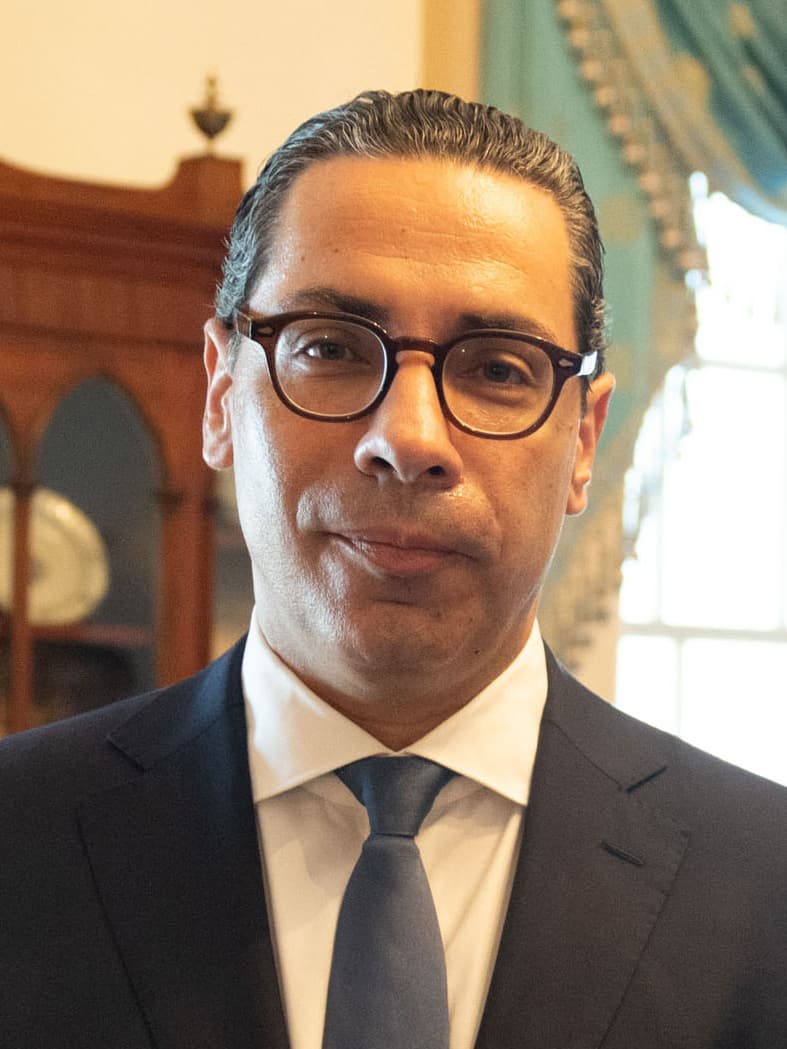
Cyprus' Foreign Minister Constantinos Kombos has directly challenged assertions by his Turkish counterpart, Hakan Fidan, that Greece, Cyprus and Israel have "formed an alliance against Muslim countries in the region" — a claim the Cypriot foreign ministry flatly rejected and countered with evidence of Nicosia's broad diplomatic engagement across the Arab and Gulf world.
Fidan's remarks at Antalya
Fidan made the comments on Sunday at the Antalya Diplomatic Forum, where he characterised a perceived regional alignment as "an operation aimed at encircling Turkey in the Eastern Mediterranean." The Turkish foreign minister described Greek policies as pursuing "extremely dangerous" goals and questioned the rationale behind trilateral cooperation between Athens, Nicosia and Tel Aviv, saying: "What strategic logic could justify seeking this kind of cooperation is something that not even they can explain to me."
Fidan also alleged that Israel "may seek to characterize Turkey as a new adversary after Iran, as it cannot survive without an enemy," linked Israeli operations in southern Lebanon to those in Gaza, and warned that Israeli strikes in Syria posed a "serious danger" to Turkey's security environment.
Nicosia's response
The Cypriot foreign ministry pushed back firmly on Monday. According to Cyprus Mail, the ministry published a video showcasing Kombos' diplomatic meetings with counterparts from Egypt, Jordan, the United Arab Emirates, Saudi Arabia, Bahrain, Oman, Lebanon, Syria, Palestine and Qatar — a pointed demonstration of Cyprus' working relationships across the Muslim-majority world.
In an official statement, the ministry declared that Turkish claims about Cyprus being part of an anti-Islamic axis "are rejected," and turned the spotlight back on Ankara. "It is Turkey itself that illegally occupies sovereign European territory, with tens of thousands of soldiers in an offensive posture," the ministry stated, referring to Turkey's continued military presence in the northern part of Cyprus.
Athens also responds
The Hellenic foreign ministry issued its own rebuttal, stating that Greece "shapes its foreign policy independently, does not accept instructions, nor does it owe explanations to anyone." Athens further emphasised that its partnerships "have a peaceful purpose and are not directed against third parties." Greece is a member of the European Union, NATO, and currently serves as a non-permanent member of the United Nations Security Council.
The diplomatic exchange underscores ongoing tensions between Turkey and its eastern Mediterranean neighbours over security alignments, military cooperation and the unresolved division of Cyprus.