Rumen Radev's Progressive Bulgaria party has swept to a historic parliamentary supermajority in Sunday's Bulgarian general election, winning 44.7% of the vote and 135 seats in the 240-seat National Assembly — enough to govern alone for the first time any single party has done so since 1997, according to BBC World News.
The result ends a prolonged era of political fragmentation in which every Bulgarian government since 2001 has depended on coalition arrangements. Sunday's poll was itself the eighth general election in just five years, underlining the depth of the instability that Radev's landslide has now broken.
A party built in four months
Perhaps the most striking aspect of the result is the speed at which it was achieved. Progressive Bulgaria was founded only four months before polling day, yet it outpaced established rivals by a wide margin. Boiko Borisov's GERB party, long a dominant force in Bulgarian politics, finished a distant second with 13.4% of the vote. The PP-DB coalition came third with 12.8%.
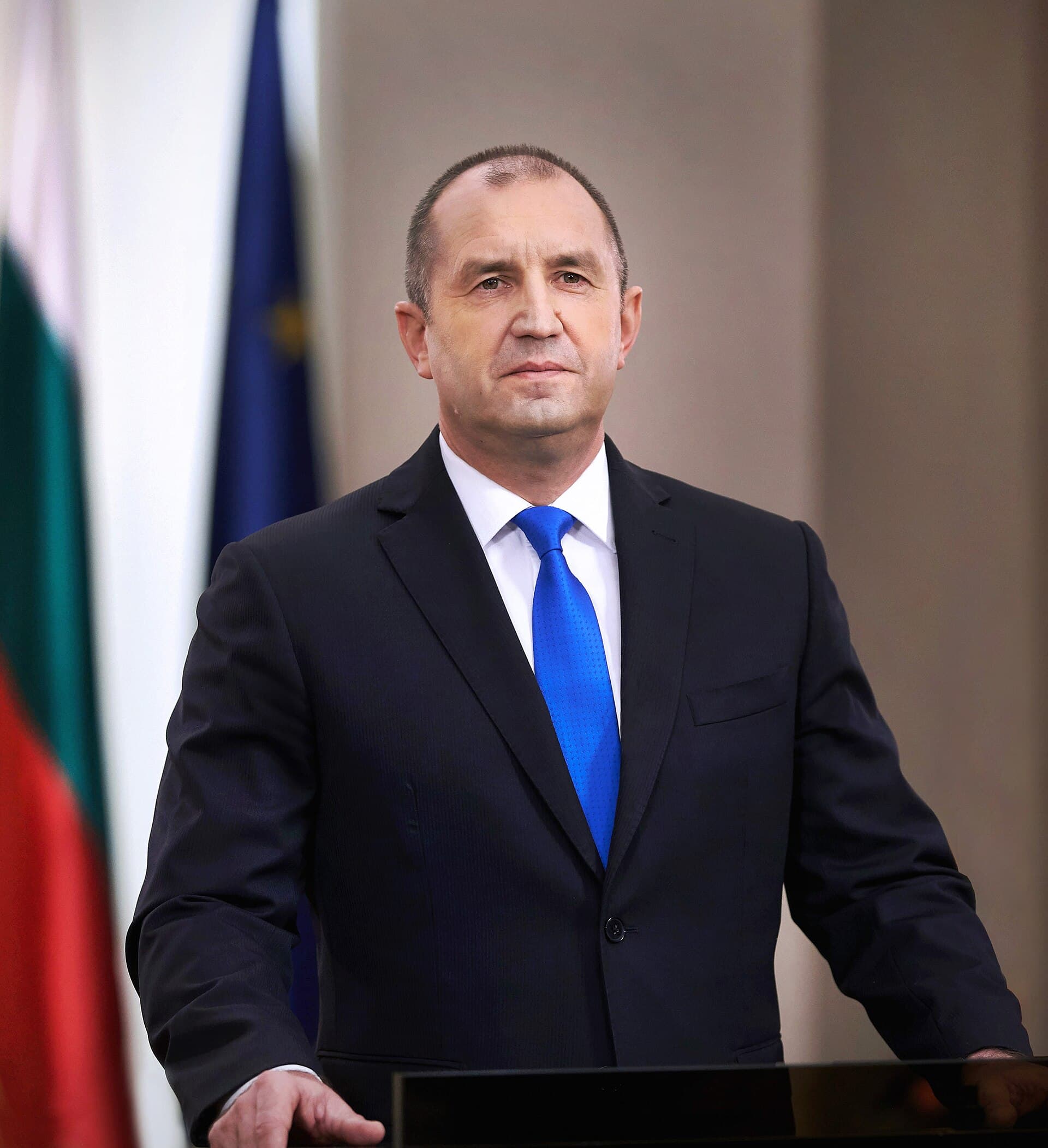
Radev, 62, is a former MiG-29 fighter pilot and ex-commander-in-chief of the Bulgarian Air Force who went on to serve as the country's president. In his victory speech he was unsparing about the old political order.
"People rejected the self-satisfaction and arrogance of old parties and did not fall prey to lies and manipulation. I thank them for their trust,"he told supporters.
Triggered by budget protests
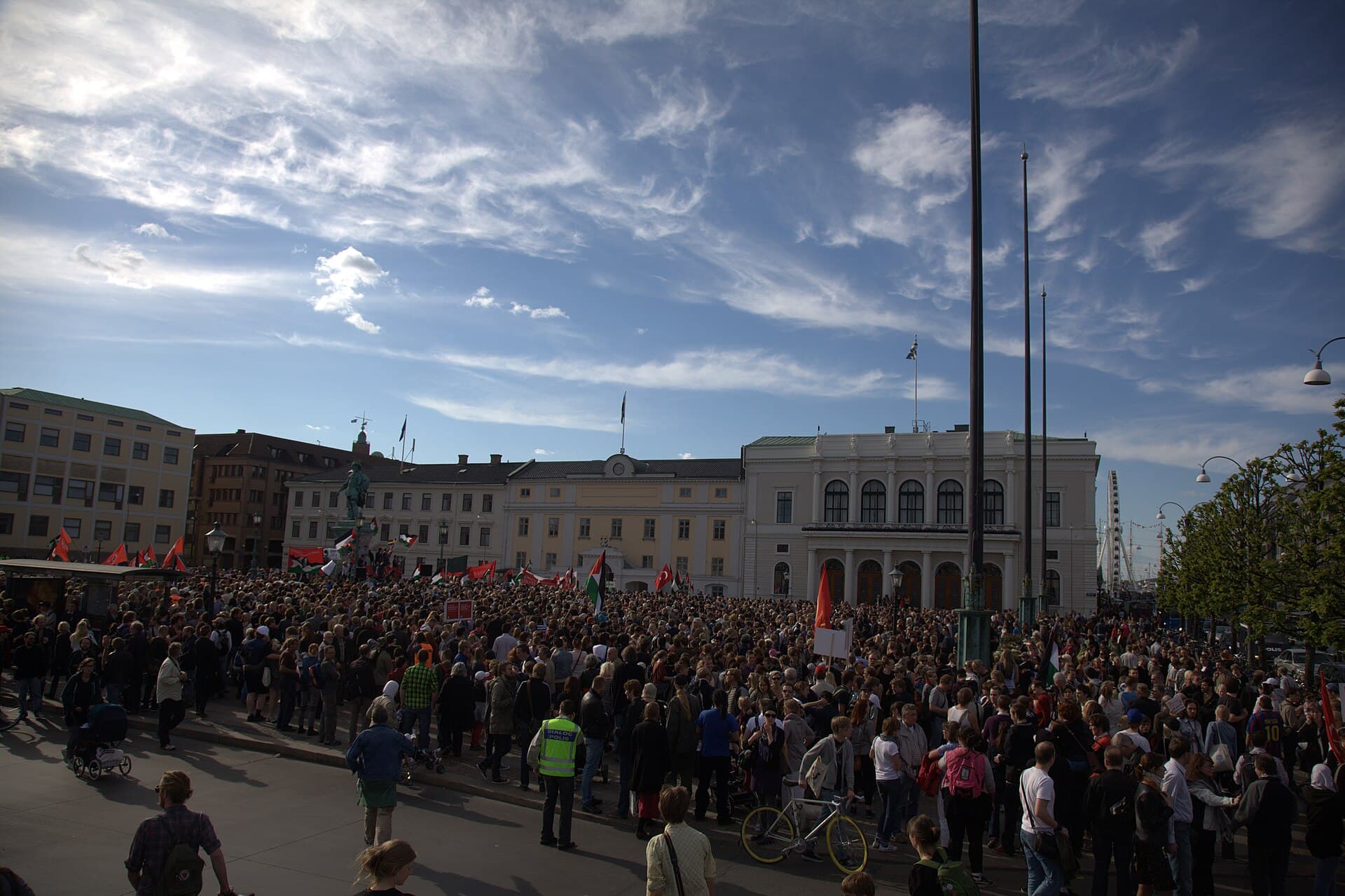
The election was called after the previous government attempted to force through a controversial budget in December 2025, a move that sparked mass protests across the country. Radev, in his capacity as president at the time, publicly backed those demonstrations — a stance that appeared to cement his popular standing ahead of the vote.
In his victory address, Radev set out an ambitious European agenda, promising "a strong Bulgaria in a strong Europe" and calling for pragmatic action on the continent's pressing challenges.
"What Europe needs right now is critical thinking, pragmatic actions and good results, especially to build a new security architecture and … recover its industrial power and competitiveness. That will be the main contribution of Bulgaria to its European mission,"he said.
Defence industry and Ukraine policy in focus
Bulgaria's role in European defence is likely to feature prominently in the new government's agenda. The country is already an important supplier of ammunition and explosives to Ukraine, routed largely through Romania. The VMZ factory in Sopot produces explosives and NATO-standard 155mm artillery shells, and in October 2025 German defence giant Rheinmetall announced a €1 billion joint venture with VMZ — in which Rheinmetall will hold a 51% stake — targeting production of up to 100,000 shells per year. During a visit to Rheinmetall's headquarters in Unterluss, Germany in August 2025, Radev declared that "Bulgaria is becoming part of the European defence ecosystem."
Security analyst and former deputy Bulgarian Interior Minister Philip Gounev suggested Radev would not diverge sharply from EU policy on Ukraine.
"Radev is unlikely to obstruct EU support for Ukraine,"Gounev said, adding that
"His approach will be pragmatic, more like Slovak premier Robert Fico than outgoing Hungarian premier Viktor Orbán."
With a working majority secured, Radev is now expected to move quickly to form Bulgaria's first single-party government in nearly three decades.