Newly Released Photos Shed Light on 1944 Mass Execution in Kaisariani
For the first time, photographs depicting the execution of 200 Greek resistance fighters by Nazi forces in Kaisariani on May 1, 1944, have been revealed, sparking discussions about the authenticity and ethical implications of circulating historical evidence of war crimes.
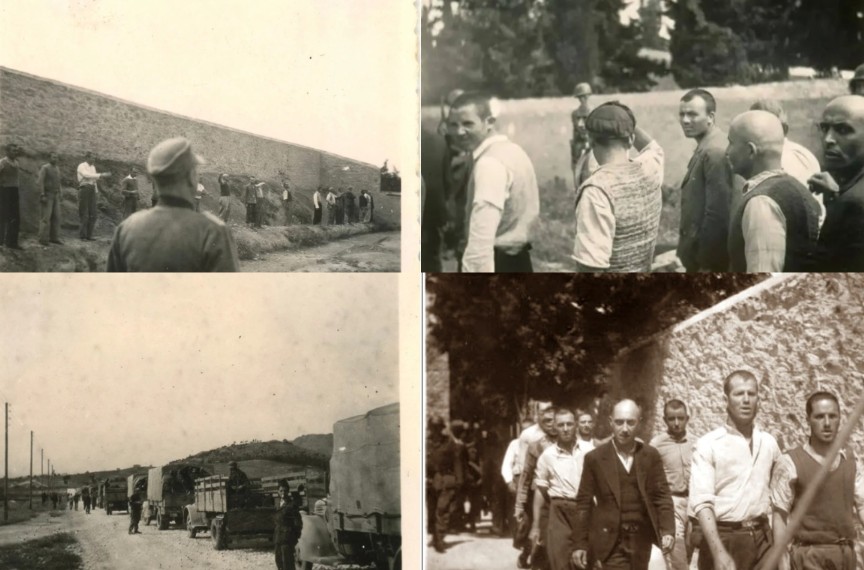
Recently uncovered photographs offer a harrowing glimpse into one of the darkest episodes of the German occupation in Greece — the execution of 200 resistance fighters in Kaisariani on May 1, 1944. These images, surfacing 82 years after the event, could serve as significant visual evidence if their authenticity is verified. The photographs were reportedly found in an album attributed to a German officer stationed in Malakasa during the occupation and were put up for sale on eBay from Belgium. The discovery was brought to public attention through a post by the Greece at WWII Archives page on Facebook, igniting a debate on both the genuineness of the photos and the moral issues surrounding the sale of historical documents linked to war crimes. So far, no official body or historical archive has confirmed the authenticity of the images, but the potential that they may be genuine has mobilized historians and researchers of the period. The mass execution of the communists in Kaisariani is counted among the most heinous crimes of the Nazi occupation forces in Greece, with most of the executed being political prisoners, many of whom were transferred from the Haidari camp. The execution took place on International Workers' Day, as reprisal for the death of a German general and three officers in Molaoi, Laconia, on April 27, 1944. If proven authentic, these photographs could enrich historical documentation of the event and possibly aid in the identification of individuals by relatives or researchers. The incident also re-emphasizes the issue of managing, protecting, and ethically exploiting historical materials related to war crimes and collective memory.