Cyprus and Greece have jointly moved to launch a due diligence study for the electrical interconnection between the two countries, sending a formal letter to the European Investment Bank (EIB) on Monday in a significant step toward advancing the Great Sea Interconnector project.
Energy Minister Michalis Damianou and his Greek counterpart, Stavros Papastavrou, signed the joint letter addressed to the EIB, requesting an independent review that could ultimately unlock financing from the bank for the project. According to In-Cyprus, the letter formally requests a due diligence study for the interconnection project between Greece, Cyprus, and Israel, which could lead to potential funding from the bank.
A Strategic Infrastructure Project
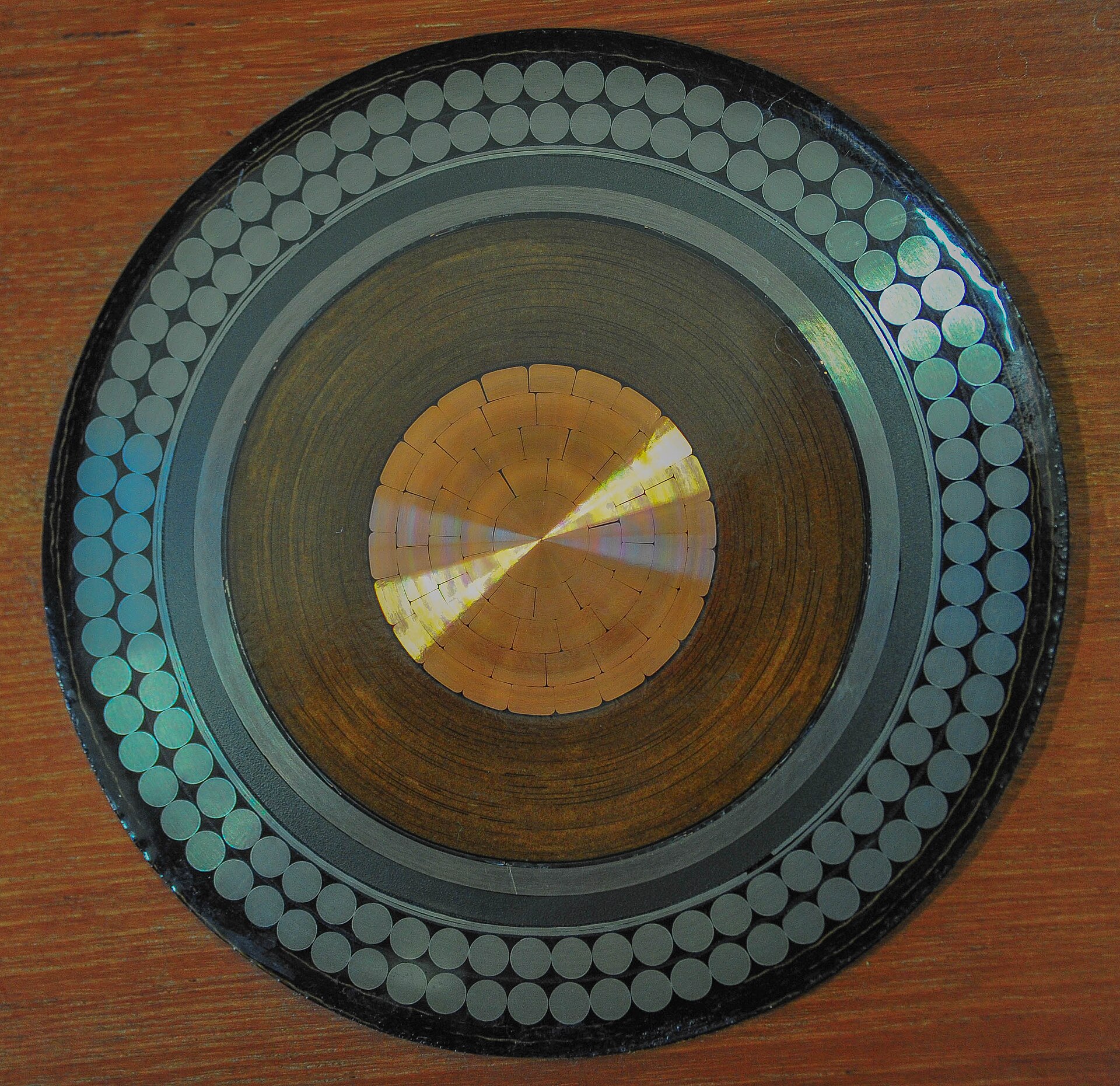
The Great Sea Interconnector is a planned undersea power cable that would link the electricity grids of Cyprus, Greece, and Israel. It is widely regarded as one of the most ambitious energy infrastructure projects in the Eastern Mediterranean, aimed at ending Cyprus's long-standing energy isolation as an island grid with no connections to continental Europe.
Both governments have already embedded the project within their long-term energy planning. The Great Sea Interconnector is included in the National Energy and Climate Plans of both Cyprus and Greece, reflecting their shared commitment to delivering the cable as part of broader decarbonisation and energy security goals.
The two governments have stated that the Great Sea Interconnector is of strategic importance for the region and Europe, a position reiterated in the letter sent to the EIB.
Role of the EIB
The European Investment Bank is an international body with a key role in evaluating and financing major energy infrastructure across Europe and beyond. A positive due diligence outcome would be a critical prerequisite for securing EIB financing, lending the project both credibility and momentum at the European level.
The joint request to the EIB marks a significant step forward for a project that has faced prolonged delays and financing uncertainties. By engaging the EIB formally, Cyprus and Greece are signalling their intention to move the interconnector out of the planning phase and into concrete financial and technical preparation.
Next Steps
The EIB's due diligence process, if confirmed, would assess the technical, financial, and environmental viability of the interconnector. A favourable review could pave the way for the bank to participate as a co-financier alongside the European Commission and other potential investors. Both countries are expected to continue coordinating closely — at the level of ministers and heads of government, including President Christodoulides and Prime Minister Mitsotakis — as the project advances through the next stages of development.