Oil prices surged approximately 6% to $95.36 a barrel on Monday as confidence in an Iran ceasefire crumbled following the seizure of an Iranian cargo ship by the United States, while Wall Street and European futures retreated sharply. Asian equity markets, however, defied the geopolitical turbulence to reach record or multi-month highs.
Ceasefire collapses, oil jumps
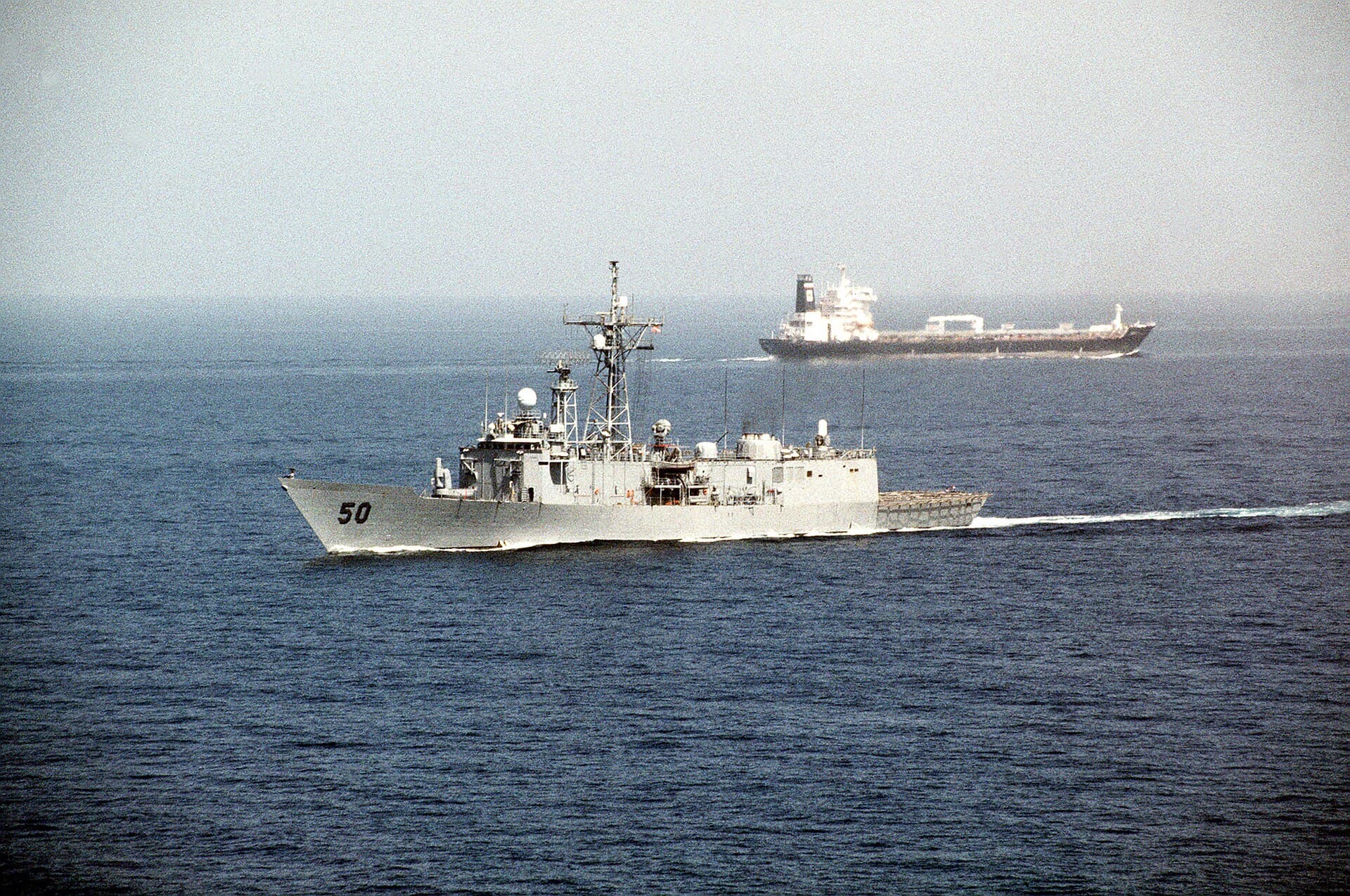
A ceasefire in the Iran conflict had been due to run until Tuesday, but its credibility evaporated after the US seized an Iranian cargo vessel. Tehran's military command swiftly vowed to retaliate, and Iran's state news agency reported that the country had rejected a new round of peace talks, effectively ending any near-term diplomatic track.
President Donald Trump warned of fresh strikes if Tehran did not accept his terms and said he was dispatching envoys to Pakistan — a move widely interpreted as an effort to build regional diplomatic support and signal that Washington was prepared to escalate pressure on multiple fronts simultaneously.
Iran responded by reimposing its de facto closure of the Strait of Hormuz, the narrow waterway through which a substantial share of the world's seaborne oil and gas passes. The closure came just days after an unusually active period for the strait: Saturday had been the busiest day for vessel traffic through Hormuz since 1 March, with more than 20 ships carrying oil products, metals, gas and fertiliser transiting the waterway. The Strait of Hormuz has historically been a critical chokepoint — any sustained disruption to its passage has repeatedly triggered sharp moves in global energy markets, underlining why Monday's renewed closure drove such a pronounced reaction in crude prices.
Western markets retreat
The oil spike and renewed Middle East uncertainty weighed on Western futures. S&P 500 futures fell 0.6%, while European futures dropped 1.2%. The yield on benchmark 10-year US Treasuries edged up 2.2 basis points to 4.266%. In currency markets, the dollar bought 158.8 yen and traded at $1.1760 per euro.
National Australia Bank added to the sombre mood, flagging a $500 million impairment charge and citing expectations that the conflict would drive up bad debts. Its shares fell 3.6% in response, according to In-Cyprus.
Asian markets hold firm
Despite the elevated risk environment, Asian equity indices moved broadly higher. Hong Kong's Hang Seng gained 0.7%, Japan's Nikkei climbed 0.8%, and South Korea's KOSPI rose 1%. Taiwan's shares touched a record high. Analysts noted that Asian markets have shown resilience in part because regional economies are less directly exposed to Middle East energy disruptions than their Western counterparts, and because investor appetite for technology and export-oriented stocks in the region has remained robust.