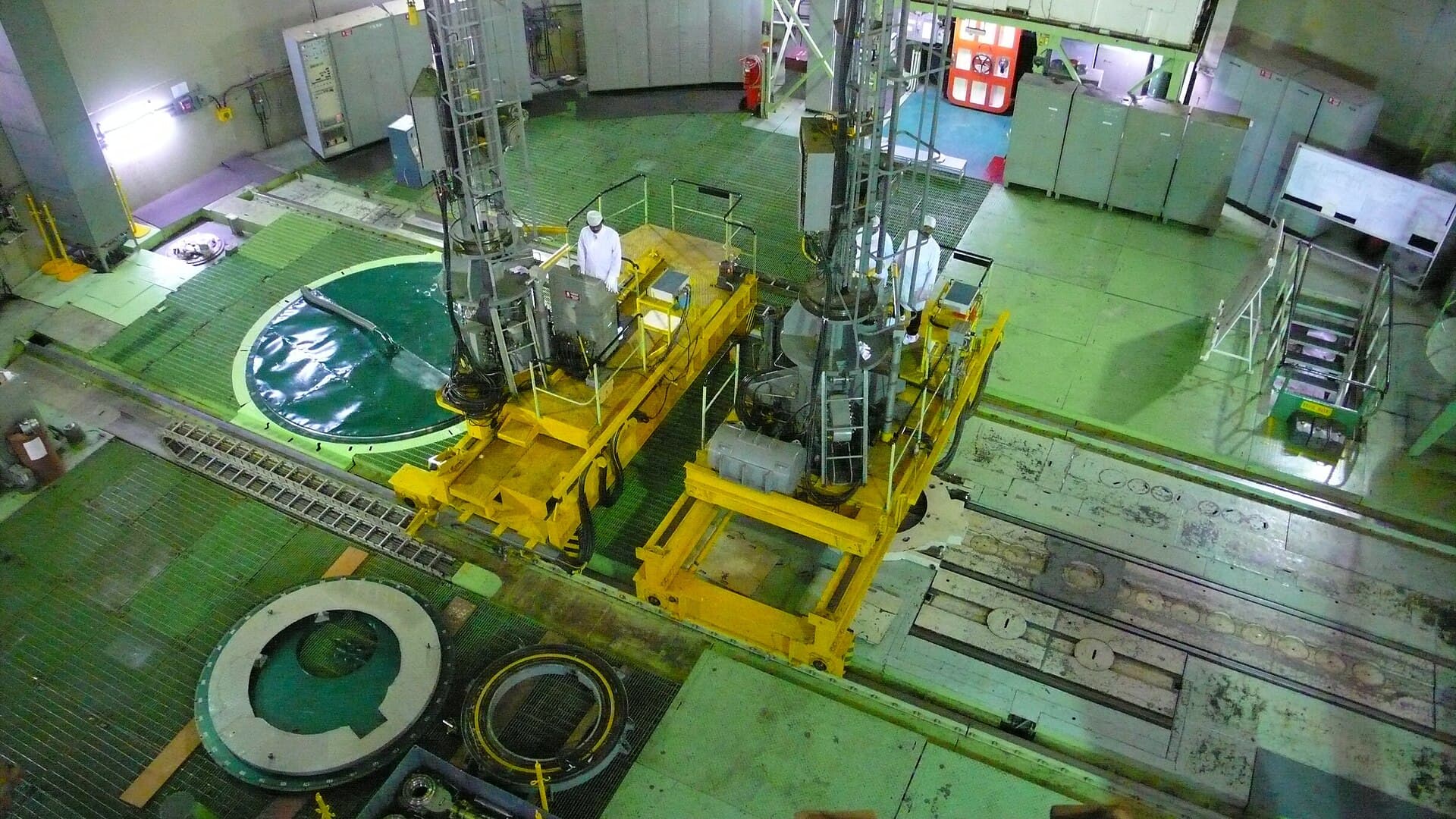
India's 500 MW sodium-cooled fast breeder reactor at Kalpakkam attained criticality in April 2026, marking a significant milestone in the country's long-running effort to expand its nuclear power fleet, according to OilPrice.com. The achievement closes a chapter that began more than two decades ago and underscores India's commitment to an unconventional nuclear strategy shaped by its domestic resource base.
A 22-Year Journey
Construction on the Kalpakkam unit began in 2004, with completion originally projected for 2010. The project ultimately took sixteen years longer than planned before reaching this operational threshold. The reactor is a fast breeder design cooled by liquid sodium — a technology that differs substantially from the light-water reactors that dominate global nuclear generation.
The design is entirely homegrown. According to OilPrice.com, it originates from the Indira Gandhi Center for Atomic Research, a government institution funded by India's Department of Atomic Energy. That domestic origin is central to India's broader nuclear ambitions, which have always been built around indigenous capability rather than reliance on foreign reactor vendors.
Why Thorium Drives India's Strategy
The rationale behind India's unconventional reactor choices comes down to geology. India is uranium-poor but holds some of the world's largest thorium reserves. As OilPrice.com puts it, "the answer to the why is thorium." The country's nuclear programme is structured around a three-stage strategy that uses fast breeder reactors fuelled by thorium and plutonium to eventually unlock those thorium reserves at scale.
India recognised early on that it needed three different reactor designs to execute this programme, each stage feeding the next with fissile material. The Kalpakkam reactor represents a critical link in that chain.
Government Response and Broader Context
The milestone drew a response from the highest levels of government. Prime Minister Modi stated that the facility "reflects the depth of our scientific capability and the strength of our engineering enterprise."
Despite the achievement, nuclear energy's role in India's overall power mix remains modest. Even with the Kalpakkam unit now operational, nuclear power will still account for less than five percent of India's total power generation, according to OilPrice.com. The country's electricity demand continues to be met predominantly by coal and, increasingly, renewables.
Sodium-cooled fast reactors have a complicated history internationally. The United States pursued similar technology at the Clinch River Project and at Oak Ridge, though those efforts were ultimately discontinued. India has pressed ahead, and Kalpakkam now stands as one of the few large-scale operational examples of the technology anywhere in the world.