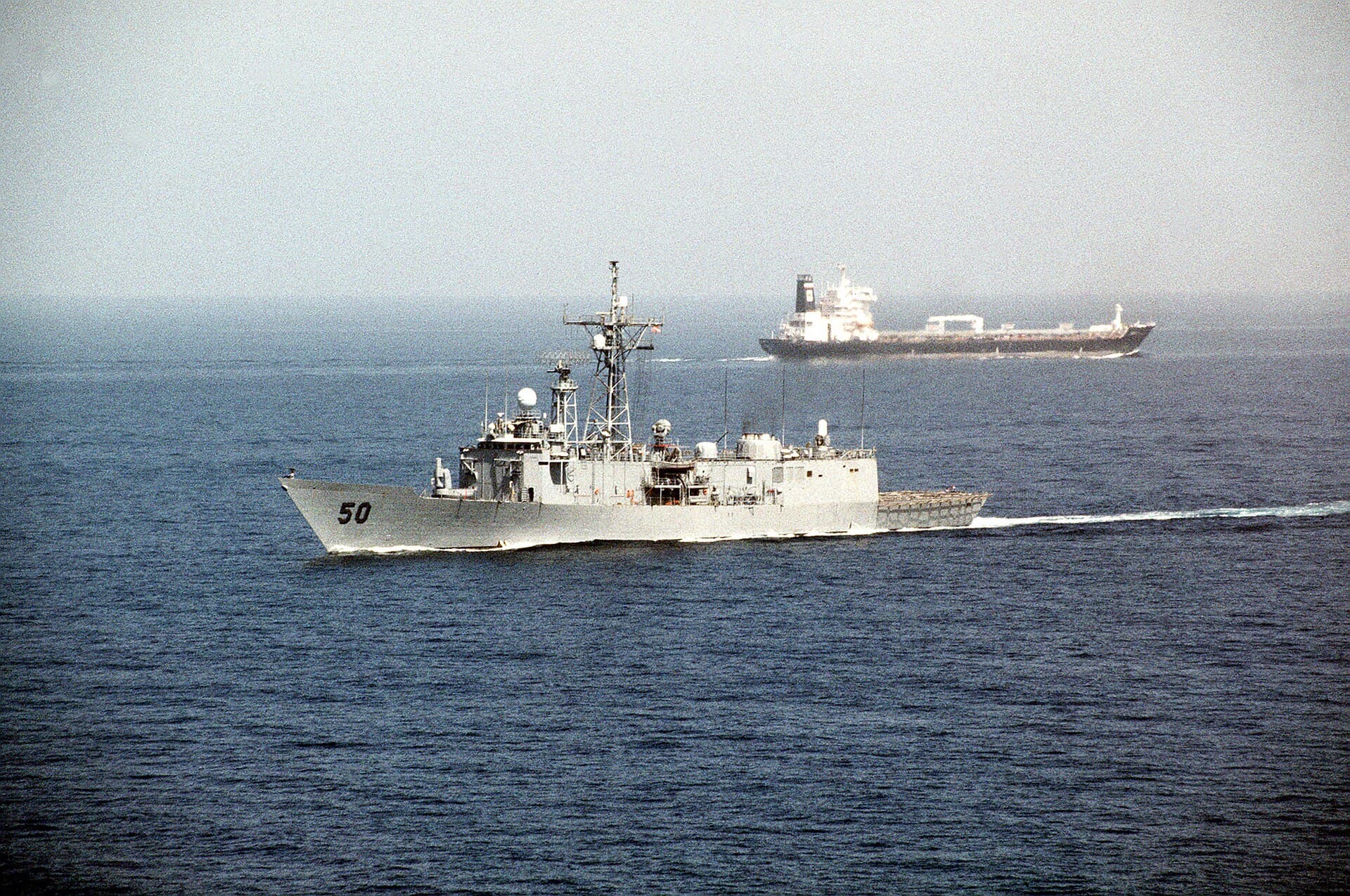
Crude oil prices surged more than 5% on Monday after Iran reversed a brief decision to reopen the Strait of Hormuz, halting tanker traffic through one of the world's most critical energy chokepoints and rattling global markets already on edge over the escalating US-Iran standoff.
Prices spike as strait closes again
US benchmark crude gained 5.6% to $87.20 a barrel, while Brent crude rose 5.3% to $95.16 a barrel, according to EuroNews. The moves came after the Persian Gulf waterway was closed following Iran's decision to walk back a reopening it had announced just days earlier.
On Friday, Iran's Foreign Minister Abbas Araghchi had posted on X that "passage for all commercial vessels through the strait is declared completely open," briefly lifting market sentiment. US crude plunged 9.4% and Brent fell 9.1% in response to that announcement, while Wall Street surged — the S&P 500 leaped 1.2% to an all-time high of 7,126.06, the Dow Jones Industrial Average surged 1.8% to 49,447.43, and the Nasdaq composite climbed 1.5% to 24,468.48.
That optimism evaporated over the weekend. President Donald Trump stated on Sunday that the US had seized an Iranian-flagged cargo ship attempting to circumvent the naval blockade. Iran's joint military command condemned the action as "an act of piracy" and warned that Tehran would respond soon. Trump, meanwhile, confirmed the US Navy blockade of Iranian ports remains "in full force."
European stocks slide, Asian markets diverge
European equities fell sharply on Monday morning as the renewed closure weighed on sentiment. Germany's DAX declined 1.3%, Italy's FTSE MIB fell 1.2%, France's CAC 40 dropped 1.1%, and the UK's FTSE 100 slipped 0.4%.
Asian markets, which had closed before the latest escalation fully developed, posted gains. Japan's Nikkei 225 gained 1% to 59,045.45, South Korea's Kospi rose 1.1% to 6,260.92, Hong Kong's Hang Seng added 0.8% to 26,373.71, the Shanghai Composite advanced 0.6% to 4,075.08, and Taiwan's Taiex jumped 1.4%.
Analysts warn against complacency
The wild swings in oil and equities over just a few days have drawn warnings from market analysts. Stephen Innes of SPI Asset Management cautioned that "the problem for markets is not the absence of hope; it is the overpricing of it," adding that "the latest move higher in equities has started to feel less like conviction and more like momentum feeding on itself."
Trump suggested the broader situation "should go very quickly in that most of the points are already negotiated," though no timeline for a resolution has been confirmed. The US stock market has climbed more than 12% since hitting a bottom in late March, a rally that now faces a renewed test as the Hormuz standoff persists.